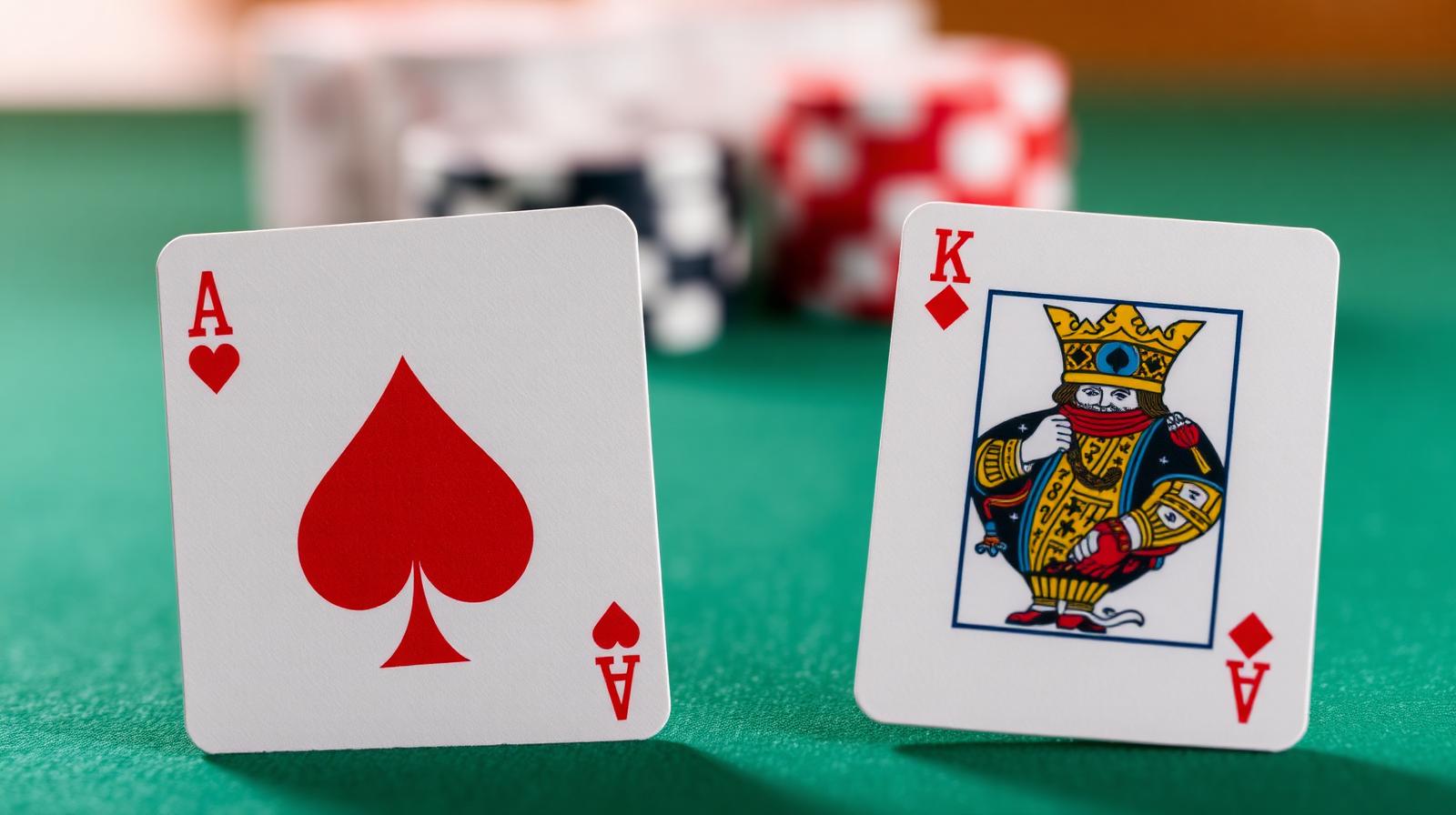

One of the most fundamental concepts in poker, yet often overlooked by beginners and even some intermediate players, is the starting hand range. In essence, your starting hand range is the set of hands you are willing to play from each position at the table. While theoretical ranges abound, the real challenge lies in building a practical range that you'll actually use and implicitly understand in the dynamic environment of live poker. This is particularly relevant for those playing live poker in India, where game dynamics can vary significantly.
Many players fall into the trap of memorizing complex charts that are difficult to recall under pressure. The goal here isn't rote memorization, but rather an intuitive understanding of hand strength relative to your position and table dynamics. A well-defined range allows you to play more confidently, make better pre-flop decisions, and ultimately improve your win rate. It acts as a foundational strategy, guiding your actions before the flop even hints at what's to come, and is a cornerstone for anyone looking to seriously step up their game in poker in India.

Why Starting Hand Ranges Matter
Your pre-flop decisions lay the groundwork for the rest of the hand. Playing too many hands, especially from early position, will see you frequently folding to aggression, bloating pots with weak holdings, and generally losing chips. Conversely, playing too few hands makes you predictable and easy to exploit. A balanced starting hand range mitigates these issues, allowing you to selectively enter pots with an edge.
- Positional Advantage: Your position at the table is paramount. Hands that are unplayable from early position become strong contenders from the button or cutoff. This is because acting last allows you to gather more information about your opponents' actions before making your own decision.
- Opponent Tendencies: While we're focusing on your 'default' range, remember that it's always a flexible framework. Against loose, passive players, you might widen your range slightly to extract more value. Against tight, aggressive players, you might tighten up to avoid tough spots.
- Table Image: The hands you play contribute to your table image. A consistent, strong pre-flop range will earn you respect and make your bluffs more credible later in the hand.

Building Your Core Range: A Positional Approach
Instead of trying to memorize every single suited connector or offsuit combo, think in terms of categories and adjust based on position. This approach is much more practical for live play.
Early Position (UTG, UTG+1)
From early position, you're acting first, giving others the advantage of seeing your action before theirs. Therefore, you need the strongest hands. Think premium pairs and strong Broadway cards.
- Pairs: 88+ (88, 99, TT, JJ, QQ, KK, AA)
- Suited Connectors: AJs+, KQs+, QJs+, JTs+, T9s+ (Adjust for deeper stacks)
- Offsuit Broadways: AKo, AQo
Your range here should be tight, solid, and geared towards dominating your opponents. Anything weaker exposes you to too much risk against multiple players. This discipline is essential for anyone wanting to improve their poker in India experience.
Middle Position (MP, Lojack, Hijack)
As you move to middle position, you can start to loosen up slightly, as fewer players are left to act after you.
- Pairs: 66+ (adding 66, 77)
- Suited Connectors: Add more suited connectors like 98s+, 87s+ and some strong suited aces (AJo+, KJo+)
- Offsuit Broadways: AKo, AQo, KJo, QJo
Late Position (Cutoff, Button)
Late position is where you can be most aggressive due to the information advantage. On the button, you're guaranteed to act last post-flop, a massive advantage.
- Pairs: Any pair (22+)
- Suited Connectors: All suited connectors (as an example, 54s+), suited aces (A2s+), and suited kings (K2s+)
- Offsuit Broadways: All Broadway cards, and many more offsuit hands depending on the table.
- Gappers/One-Gappers: Hands like J9s, QTs, 86s can be considered with a robust understanding of post-flop play.
The Blinds (Small Blind, Big Blind)
The blinds are unique positions because you've already invested chips. Your strategy here depends heavily on whether you are defending a raise or initiating the action.
- Small Blind: Generally tighter than the button, as you'll be out of position post-flop. You'll often be 3-betting or folding to an open.
- Big Blind: You have a 'discount' to call, but again, you're out of position. Your calling range will be wider, especially against smaller open raises, but focus on hands with playability (e.g., suited hands, pairs).
Practical Tips for Live Use
- Start Simple: Don't try to implement a GTO (Game Theory Optimal) range on your first try. Begin with a very tight, strong range and gradually expand it as you gain confidence and adjust to the table.
- Watch and Learn: Pay attention to what hands your opponents are playing from different positions. This intelligence is invaluable for adjusting your own ranges.
- Practice Off-Table: Before you hit the tables, spend some time away from the felt thinking about what hands you would open from each position in various scenarios. This mental rehearsal makes it easier when real money is on the line.
- Review: After a session, think about hands where you played outside your intended range. Was it a mistake, or a calculated adjustment? Learning from these moments is crucial for growth. PokerhubIndia.com has many resources to help you with review.
- Flexibility is Key: While having a default range is good, never be afraid to deviate if the situation demands it. A very loose table might encourage you to widen your range; a very tight table might encourage you to steal more often.
"The art of poker is not in playing the cards perfectly, but in playing your opponents perfectly with the cards you are dealt."
By consistently applying a well-thought-out starting hand range, you'll find yourself in more profitable situations, making better decisions post-flop, and experiencing more success at the poker tables. This structured approach to hand selection is a cornerstone of winning poker and an excellent way to elevate your game, whether you're playing casually or seriously pursuing poker in India.
Frequently Asked Questions
Q: What is a "starting hand range" in poker?
A: A starting hand range is the set of all possible two-card combinations you are willing to play from a specific position at the poker table, considering factors like table dynamics and stack sizes.
Q: Why is it important to have different ranges for different positions?
A: Your position dictates how much information you have before acting. From early positions, you have less information and should play tighter, while from late positions, you have more information and can play a wider range of hands more profitably.
Q: How can I remember my ranges during live play?
A: Instead of memorizing exact combos, focus on categories (premium pairs, suited connectors, Broadway cards) and understand the logic behind positional adjustments. Start simple and gradually refine your ranges through practice and review. PokerhubIndia.com offers resources to help you study.